
LEG4DEV is collaborating with SARO Agro Industrial and other national partners in Zambia to implement localised and stakeholder-informed mechanisation trials of maize-legume cropping systems.
Ciara Varley, Remeredzai Oliver Mushangure, Charles Spillane, Peter C. McKeown.
LEG4DEV project PhD researcher Remeredzai Oliver Mushangure from the University of Galway has established field trials in Zambia investigating the impact of mechanisation on maize-legume intercropping. The research, which is funded by the EU DeSIRA programme via the LEG4DEV project, will identify more labour-efficient methods of farming for Zambia’s legume producers.
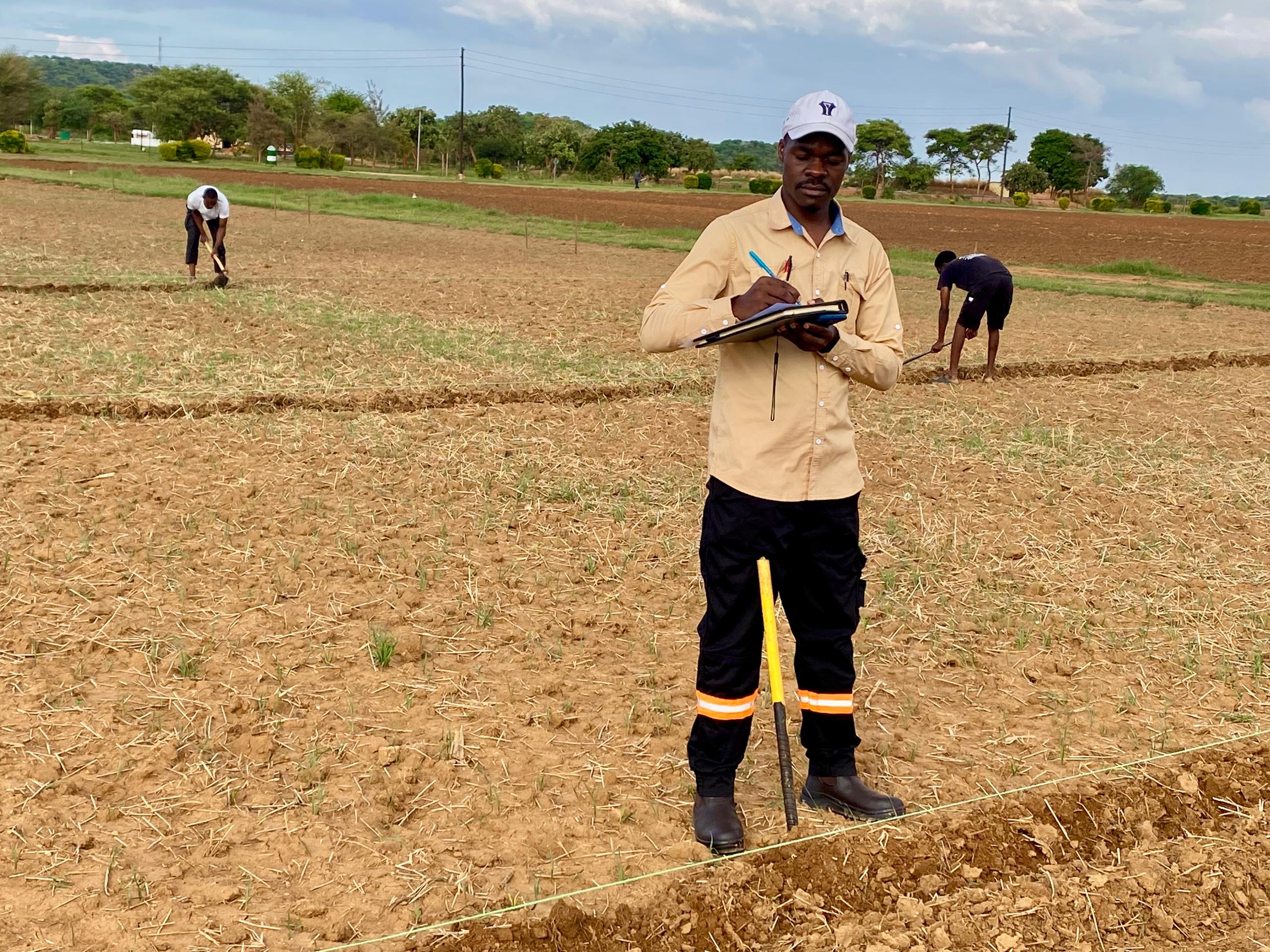
Legumes such as soybean, groundnut and pigeonpea are a critical part of resilient, nutritious food supply. Legumes can enrich soil, diversify diets, and provide valuable income opportunities for farmers and entrepreneurs. For smallholder legume farmers in Zambia, a core challenge to growing legumes relates to labour efficiency. Legume farming is labour-intensive, and access to mechanised tools like planters and shellers is limited. This constrains smallholders’ productivity and limits the overall contributions of legumes to food systems in the country. Mechanisation is critical for alleviating these constraints, along with improving timeliness of farm operations and enhancing the profitability of legumes for smallholders.
To accelerate labour-saving progress, LEG4DEV is conducting research on labour efficiency and mechanisation under the project’s work package: ‘Rural energy and labour-efficiency transformation pathways for legume-based agroecological intensification’.
Testing mechanisation on the ground at IITA-Zambia
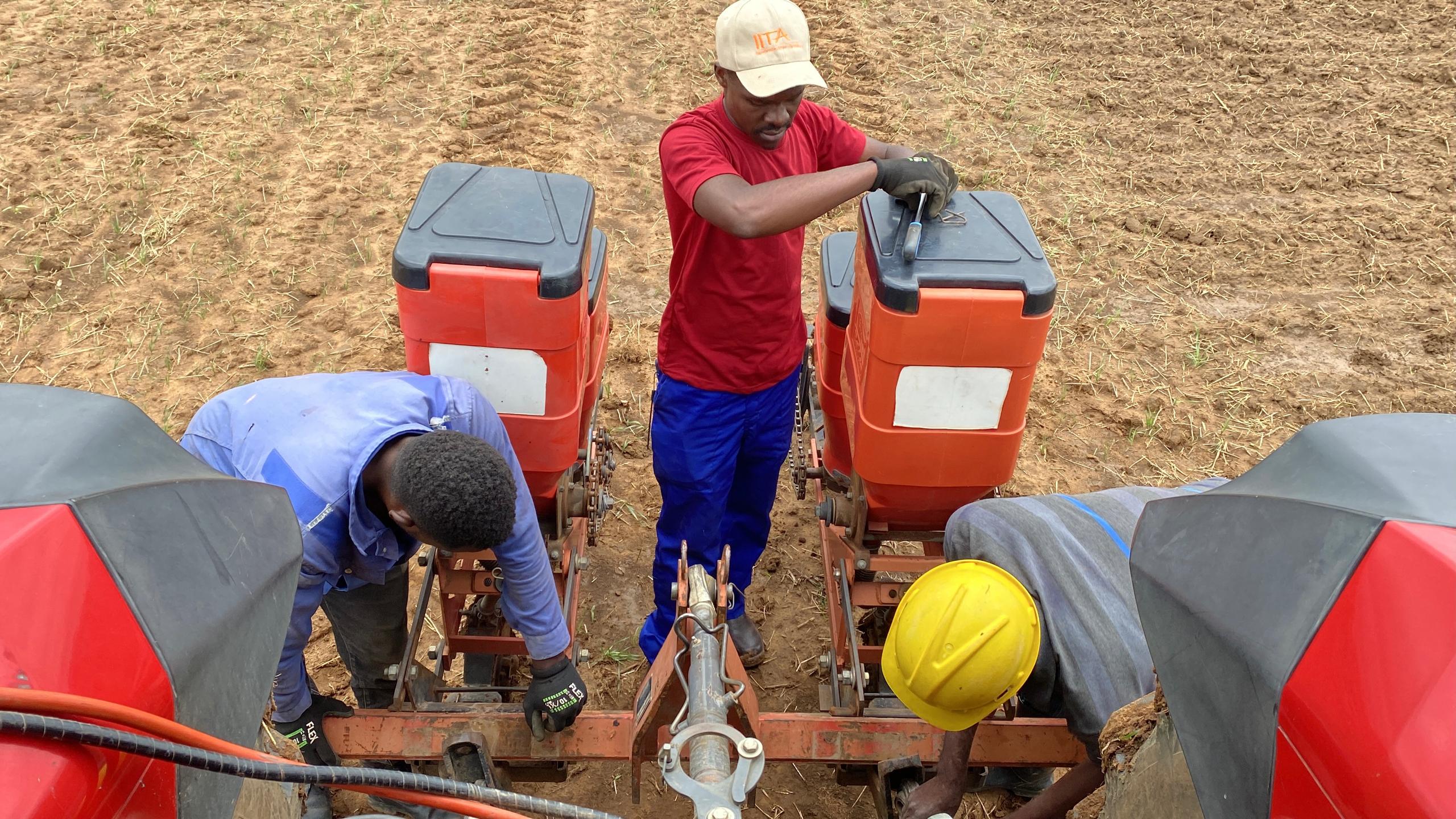
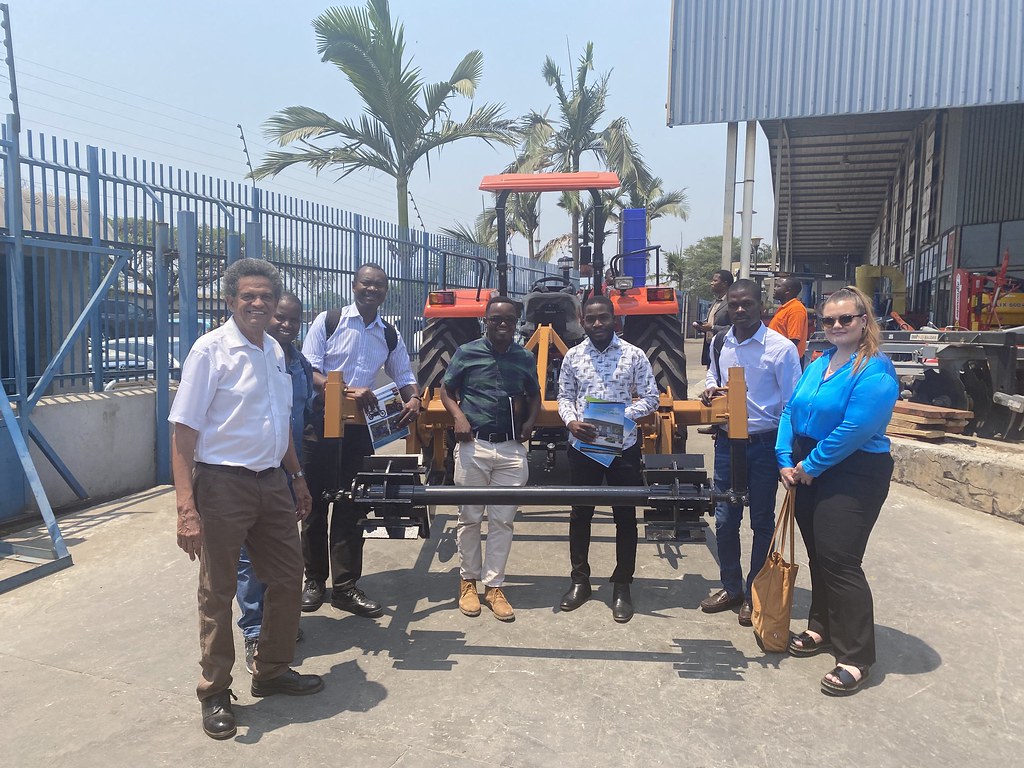
In Zambia, the project has recently received a boost with its procurement of four key pieces of agricultural equipment, which support LEG4DEV research trials on the role mechanisation can play in sustainable intensification of legume farming.
LEG4DEV’s mechanisation trials are being conducted at the IITA-Zambia research station in Lusaka Province, by PhD researcher Remeredzai Oliver Mushangure (an expert in mechanisation), in close collaboration with SARO Agro Industrial and other national partners.
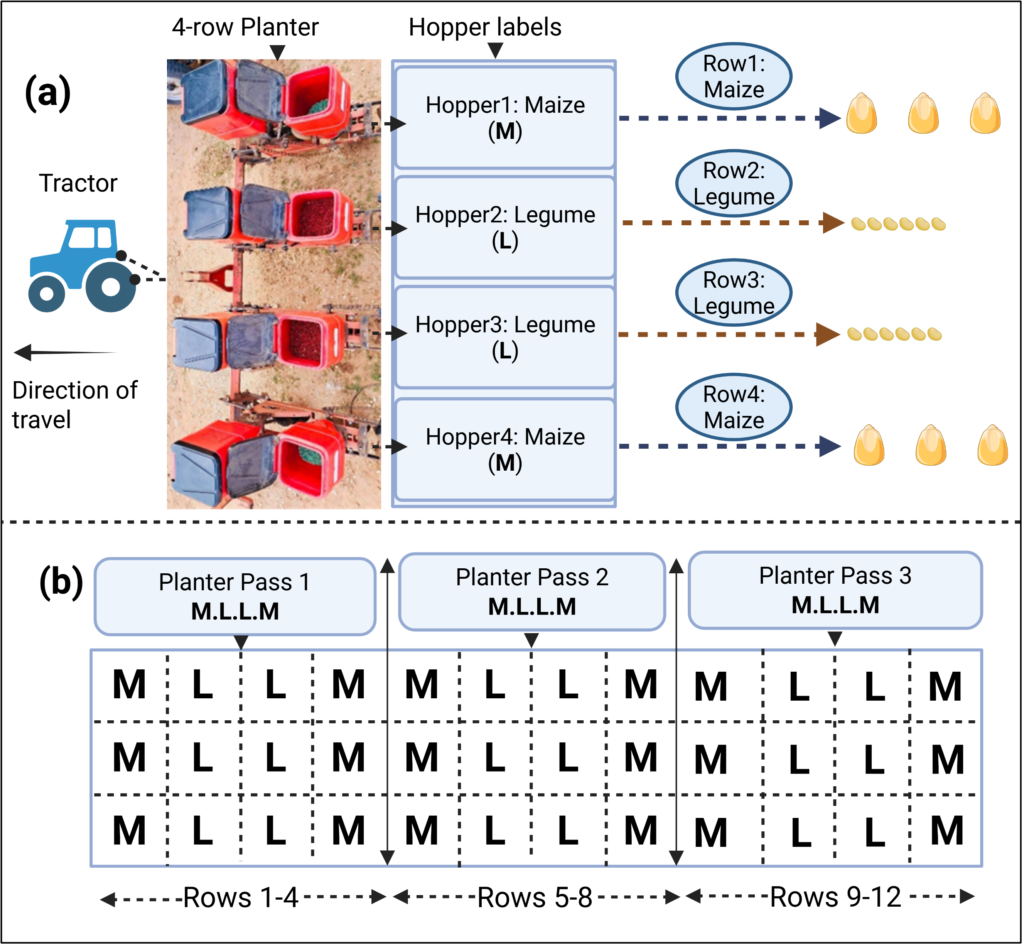
For the trials, Oliver is using a range of mechanisation equipment recently procured by LEG4DEV, including (1) a multi-crop planter for precise maize-legume intercropping; (2) a soybean thresher; (3) a groundnut sheller to reduce post-harvest labour; and (4) a maize sheller to increase processing efficiency for the staple crop.
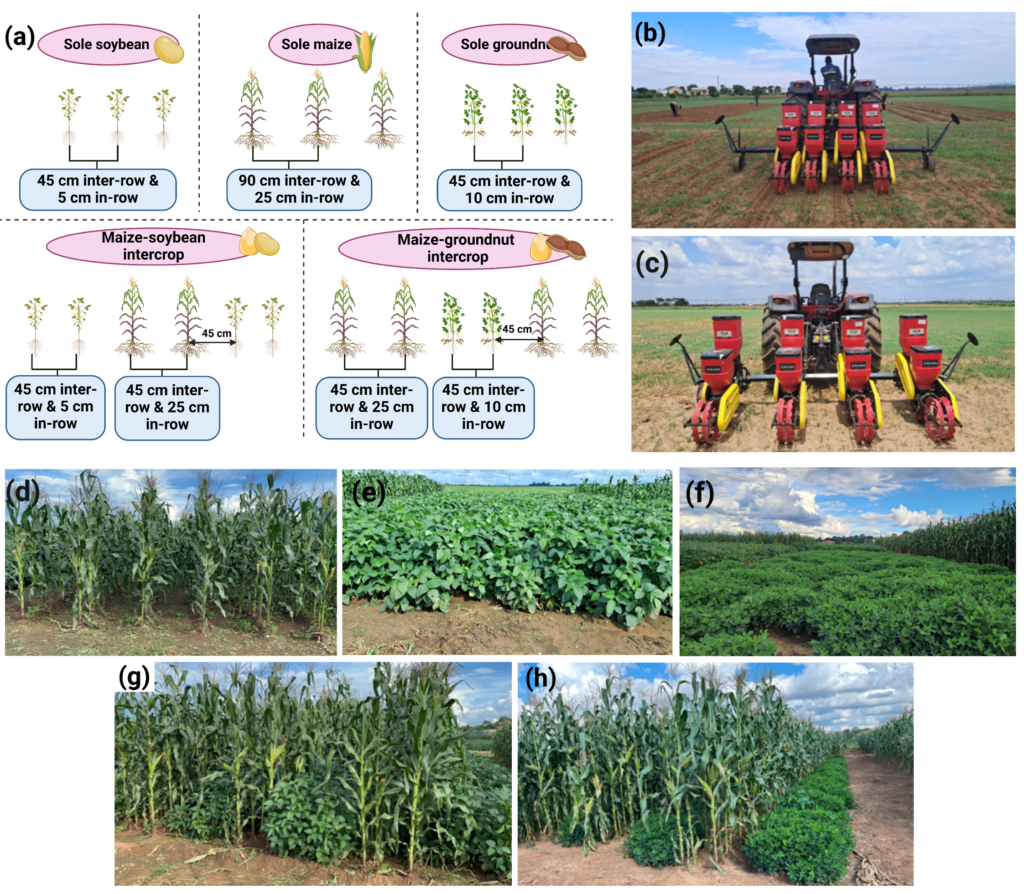
The LEG4DEV team is using small-scale mechanisation approaches to assess the impact of manual and mechanised planting methods on labour efficiency, with a focus on smallholders. By applying the two planting techniques under both intercropping and sole cropping conditions, Oliver will identify the impact that mechanised technology could have on labour, crop growth, and yields under both intercropping and sole cropping conditions of a legume and maize.
Speaking on his experience and learnings from the trial so far, Oliver indicated:
“Working directly with smallholder farmers has highlighted just how much manual planting and processing limit their potential. Through these trials, we’ve seen how appropriate mechanisation, particularly the multi-crop planter, can substantially reduce planting time while enabling precise maize-legume intercropping without compromising staple crop yields. More importantly, this is not just about improving efficiency; it’s about restoring time, reducing drudgery, and creating practical, scalable solutions that align with the realities of small- to medium-scale farming systems.”
Next steps for mechanised agriculture for legume cropping systems in Zambia
The research represents exciting progress for the LEG4DEV team. Speaking on the research, LEG4DEV Project Lead, Dr. Peter McKeown, shared:
“The ability for smallholders to produce legume foods for consumption and sale while avoiding drudgery will be an important advance for the Zambian food system. We are delighted to see this research advance, in close collaboration with our national partners and in line with the Zambian Governments strategies for national agricultural development”.
For Mr. Calvin Salah, Marketing Manager for Saro Agro Industrial in Zambia, the results so far represent the benefit mechanised equipment can have in supporting more efficient maize-legume farming in Zambia.
“We are pleased, as Saro, to be a partner in this research project and delighted that the chosen equipment from Saro is producing the desired result. Our Suppliers and ourselves thank the LEG4DEV team for their efforts and dedication.” he said.
The trial is one component of a broader portfolio of LEG4DEV studies on mechanisation of smallholder cropping systems, where Oliver was recently invited as a speaker at the FAO Africa Conference on Sustainable Agricultural Mechanisation in Dar es Salaam, Tanzania 03rd – 06th February 2026.
The LEG4DEV research team is conducting this research to address key knowledge gaps and develop evidence-based methods of intensifying legume production across Zambia’s maize-legume cropping systems. LEG4DEV is continuing the work with national partners to accelerate scaling of technologies and innovations for legume cropping systems and smallholders in Zambia and neighbouring countries.