
Ciara Varley, Peter C. McKeown, Angharad Johnston, Charles Spillane.
LEG4DEV proposes a five-pronged entrepreneurship framework to advance value chain development for women, youth and rural poor living in East and Southern Africa.
A recent open-access study from the Leg4Dev project entitled “Entrepreneurship pathways for scaling legume-based agroecological intensification in Eastern and Southern Africa. A review’, published in the Journal of Agriculture and Food Research investigated how enterprise-driven approaches can support legume value chains in Eastern and Southern Africa. The research, produced as an ouput of the EU-funded LEG4DEV project, identifies five entrepreneurial pathways that can promote inclusive and climate-resilient legume value chains that benefit women, youth and rural communities.
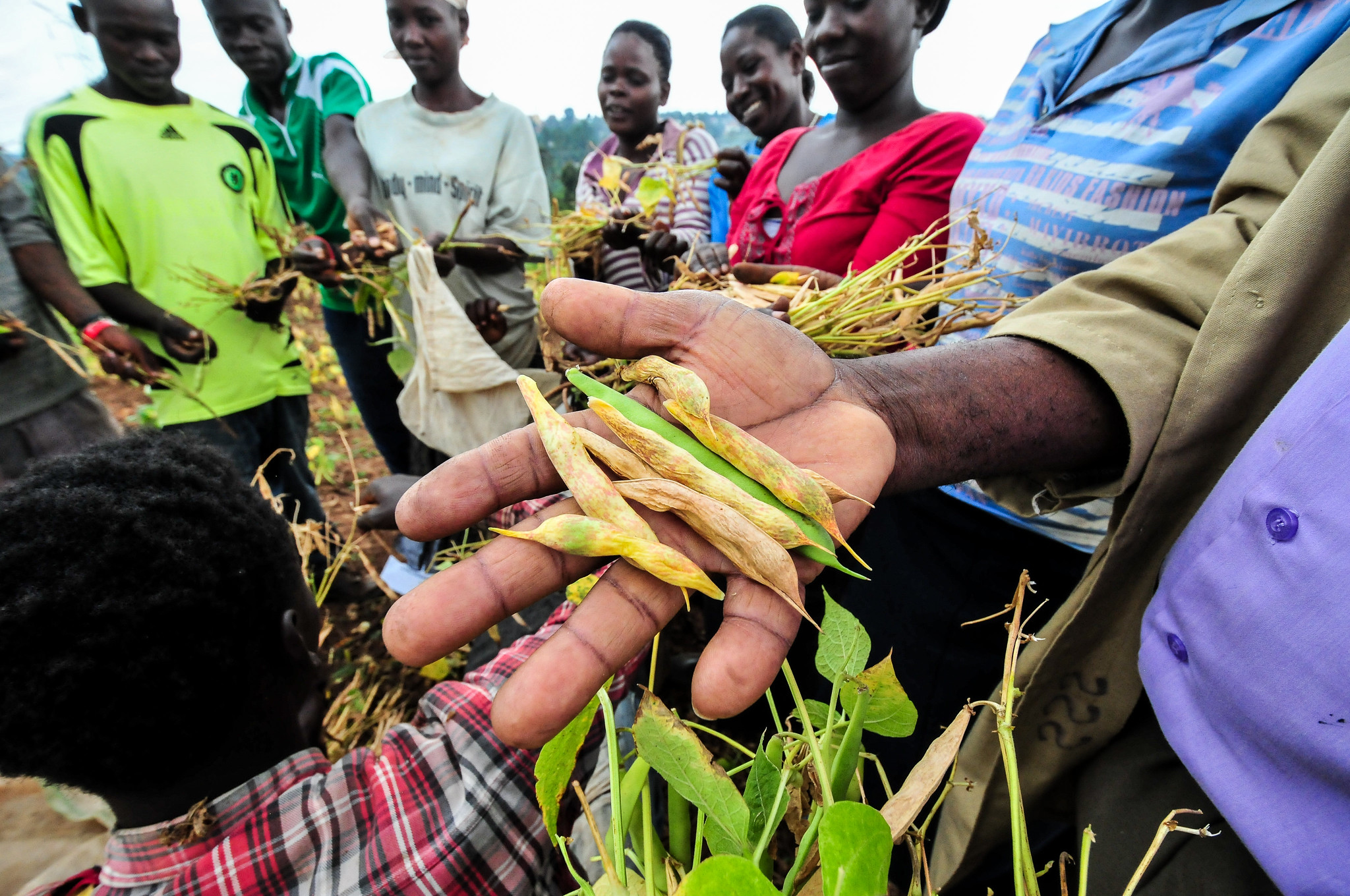
The benefits of legumes, such as cowpea, beans and groundnut, for food systems in Eastern and Southern Africa are multifold. Legumes are a nutritious source of food, a vital income source for smallholder farmers, and can improve soil health through nitrogen fixation. Despite their potential to support sustainable food and farming systems, legume value chains remain fragile. Many smallholder farmers and small businesses face unstable markets, costly inputs and limited access to finance and technology.
Agroecological Legume Intensification in African Food Systems
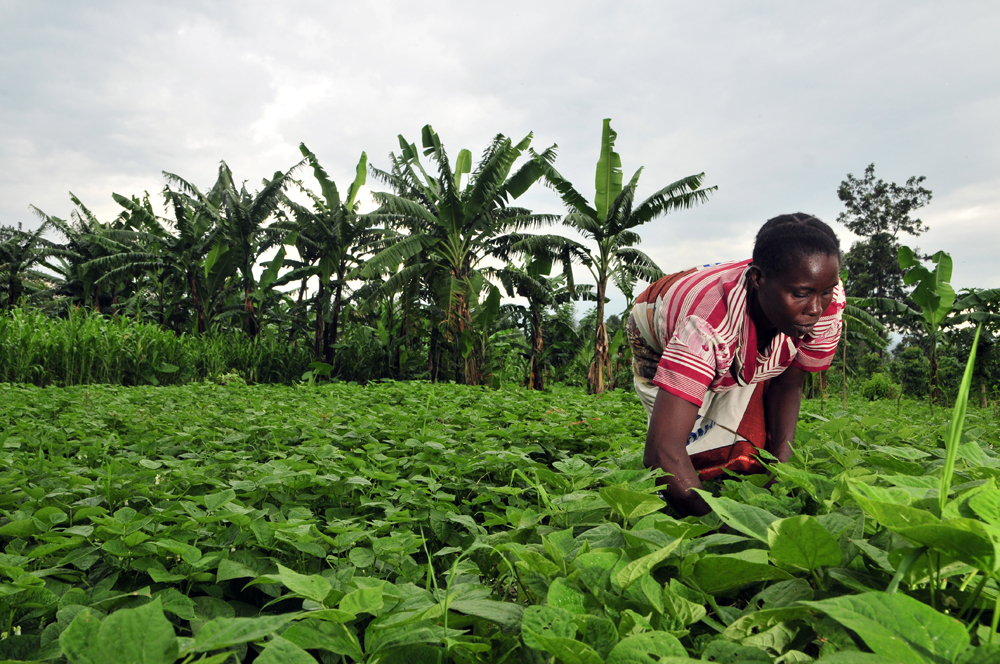
Agroecology – a suite of practices that aims to integrate ecological and social concepts with sustainable food and farming systems – may have contributions to make to some of the struggles facing those working in legume value chains. While the benefits of agroecology for legume systems are often discussed in terms of soil health, biodiversity, and sustainability, its potential to drive economic benefits for women, youth, and rural households has received less attention. LEG4DEV researchers have addressed this gap by synthesising evidence from literature and case studies across Ethiopia, Malawi, Tanzania and Zambia.
Five entrepreneurial options for scaling legumes
Using the latest research on entrepreneurship ecosystems, innovation systems, and value chain analysis, the integrated analysis identifies five approaches that can support legume value chains:
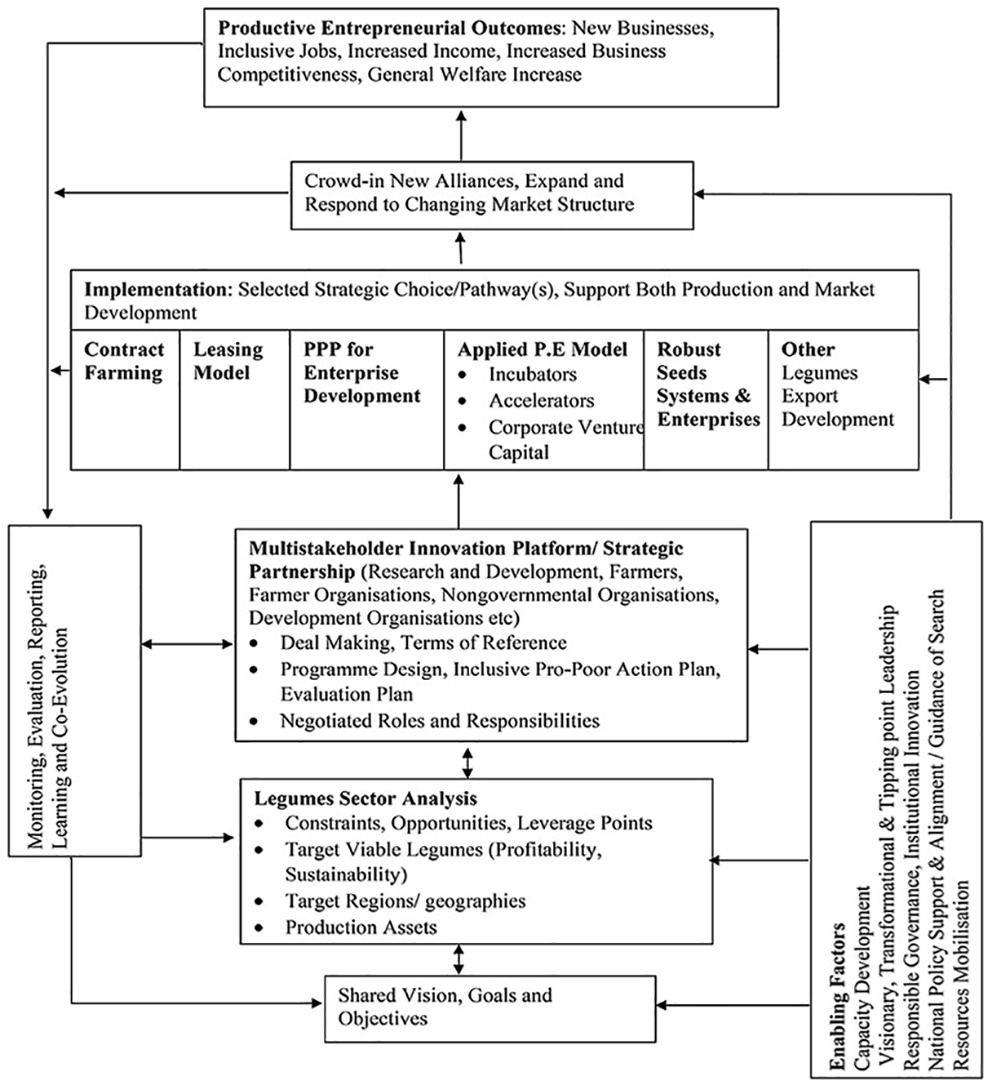
- Contract farming: Farmers and buyers agree in advance on production and quality standards for legumes. The co-creation of these standards can help stabilize supply chains, reduce transaction costs, and support consistent quality, though its success depends on enforceable agreements and reliable market demand.
- Leasing-based business models: Access to equipment and inputs via leasing arrangements can help smallholders scale production and improve market access. These models have demonstrated promise for youth-led enterprises, particularly in Ethiopia, Malawi, Nigeria and South Africa, as well as through the Cargill Coop Academy strategy in Côte d’Ivoire.
- Mobilisation of public and private financing: Combining private, public, and donor investments, including blended finance and public–private partnerships, can provide sustainable pathways for growth when aligned with local development priorities and gender-inclusive implementation.
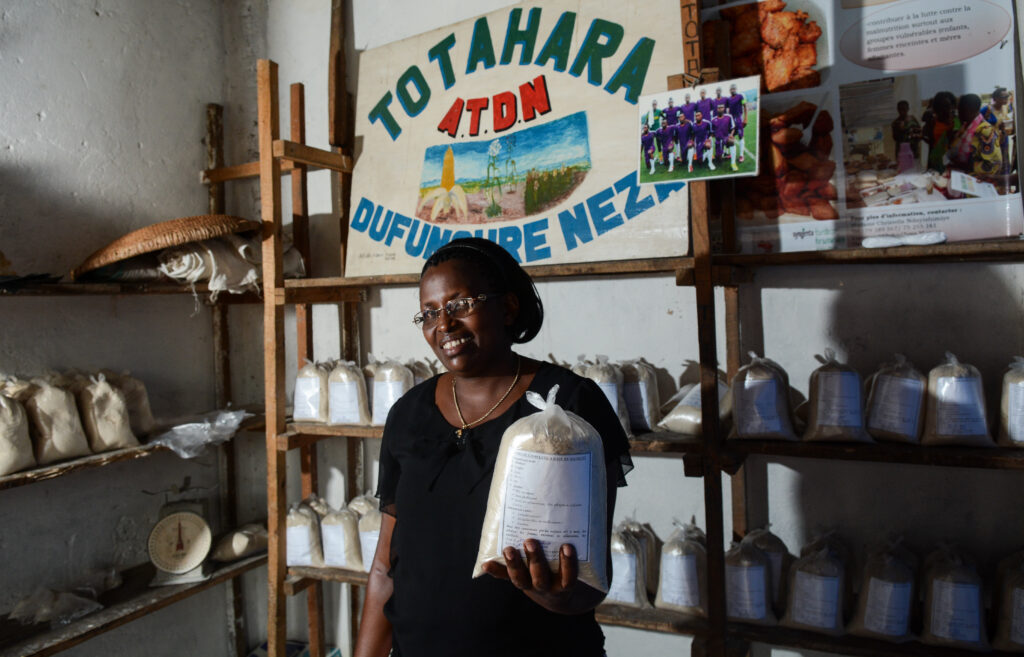
- Support for seed systems and local enterprises: Linking community seed producers, private companies, and research institutions can improve seed availability and quality. Successful adoption requires consideration of local capacities and distribution networks. The Malawi Micro, Small and Medium Enterprise Policy 2019 provides one example of this strategy.
- Application of private equity to expand high-potential legume-based startups and SMEs: An applied private equity strategy that leverages donor funds – either alone or combined with private equity or other development finance sources – can be an effective strategy to scaling legume enterprises with strong growth potential.
Together, these approaches can address constraints across markets, financing, and scaling, providing a framework that can be adapted to both national and local contexts.
Next Steps for Legume-based Enterprises
The paper’s findings provide a practical framework for inclusive and climate-resilient agribusinesses. While the success of these approaches will depend on local markets, access to finance, and supportive policy environments, adapting the paper’s strategies to specific contexts could support positive benefits for stakeholders across the legume value chain in Eastern and Southern Africa.
Read the full open-access review from LEG4DEV in Journal of Agriculture and Food Research: https://doi.org/10.1016/j.jafr.2025.101904
Citation: Fundira, T., Ndlovu, N., Kaonga, T., Kinkese, T., Murray, U., Johnston, A., McKeown, P.C., Allen, B. and Spillane, C., 2025. Entrepreneurship pathways for scaling legume-based agroecological intensification in Eastern and Southern Africa. A review. Journal of Agriculture and Food Research, 23, p.101904. https://doi.org/10.1016/j.jafr.2025.101904